
Walking into a clinic for a nose surgery consultation can be overwhelming, but knowing what to expect puts you at ease. This meeting is a safe space for you to talk about your aesthetic goals, medical history, and concerns. A good consultation helps you understand the procedure and make an informed choice.
If you are looking into the possibilities of nose reshaping surgery in Thimphu, your first appointment with a certified surgeon will help you make an informed choice.
This comprehensive guide breaks down every step of the meeting so you know exactly what to expect when you sit down with your doctor.
1. Your Detailed Medical History Evaluation
When you first sit down to talk, you must be ready to share your complete health history with the doctor. Your surgeon needs to know everything about your body to make sure it is completely safe for you to have this operation.
You will answer questions about any operations you have had in the past, even if they have nothing to do with your face. You must share if you deal with long-term health problems like high blood pressure, diabetes, easy bleeding, or seasonal allergies.
The doctor will also ask for a complete list of all the medications, vitamins, and herbal supplements you take daily. Certain over-the-counter medicines, like aspirin, can increase your bleeding risks during and after your operation.
You must also be completely honest about your daily habits, such as smoking, vaping, or consuming alcohol frequently. Nicotine severely restricts your blood vessels and delays your body’s natural healing process, which increases the risk of post-operative complications.
2. Discussing Your Aesthetic Goals with Your Doctor
The main part of your meeting is talking about what you dislike about your nose and what you want to fix. You must explain your goals as clearly as you can, whether you want to flatten a bump or fix a wide tip.
Some patients want to fix a crooked nose, while others want smaller nostrils to make their face look more even and balanced. Your doctor will listen carefully to find out if your ideas can actually be done safely through a medical operation.
You can carry reference pictures of noses you admire to help the doctor understand what your preferences are.
A skilled professional will look at your chin, your cheekbones, and your forehead to make sure your new nose fits your whole face. The ultimate goal is never to make you look absolutely flawless, but to give you a natural look that fits you best.
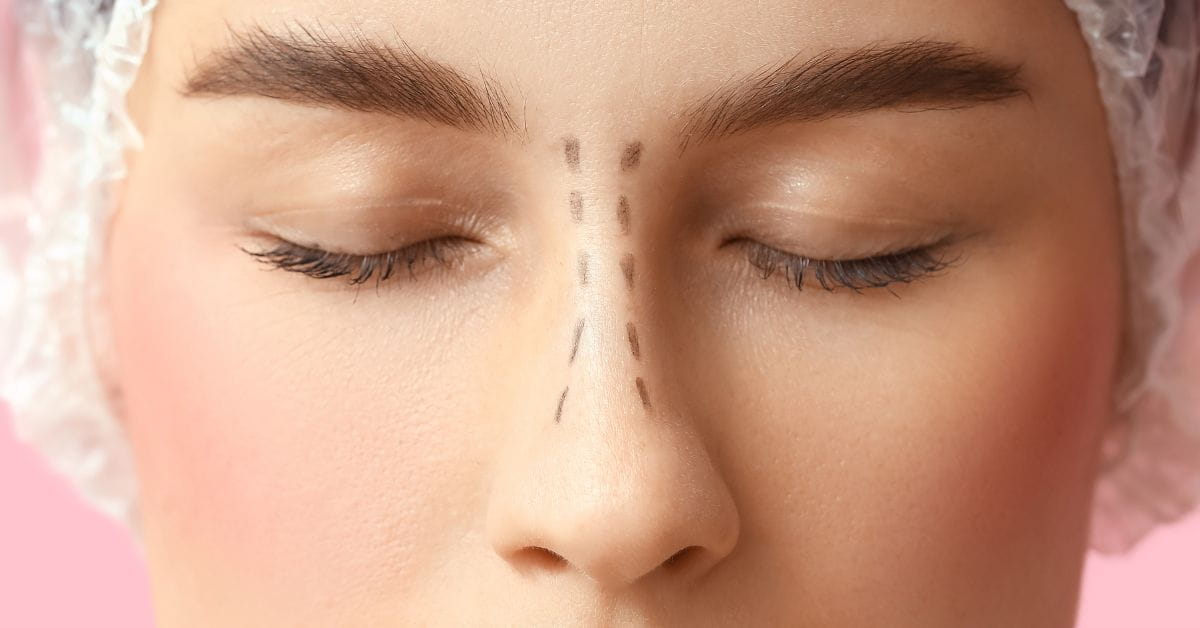
3. The Physical Examination and Nasal Assessment
After you finish discussing your goals, the doctor will carefully check your face and the shape of your nose. They will gently press the skin on your nose to evaluate its thickness, elasticity, and overall quality for the healing phase.
Thick skin can hide small, delicate changes, while very thin skin shows every little bump, so the doctor must be very careful. The doctor will also look inside your nostrils with a bright little light to check your breathing passages and your inner wall.
They want to see if your septum is crooked or if any structural obstruction is blocking the air when you breathe. If you always feel stuffed up, this quick check will show the doctor exactly what is causing your breathing trouble.
What the Doctor Checks | What the Surgeon Evaluates |
Skin Thickness & Quality | See if your skin is thick or thin to plan the healing |
Top of the Nose | Look for bumps, dips, or if the nose is crooked |
Tip of the Nose | Check the soft shape-giving parts to plan the new lift |
Inner Wall and Airway | Find any blocks that make it hard for you to breathe |
4. Utilizing Digital Imaging and Documentation
During this stage of consultation, the medical staff will take high-quality photos of your face from many different sides. They will take pictures from the front, from both sides, and from a view looking straight up into your nostrils.
These photos stay in your medical file and serve as a reference tool during the actual surgery. Many modern clinics use advanced 3D imaging software to project your photos onto a screen and change them to show potential surgical results.
The surgeon can change the digital image to show how your face would look after reducing a bump or with a lifted tip. This visual tool is incredible for planning your expectations, but you must remember that these digital pictures are not absolute legal guarantees.
5. Understanding the Surgical Techniques
Your surgeon will explain the exact technical approach they will use to yield the safest and best results for your face. You will learn about the two main ways to do this surgery, namely, the open rhinoplasty approach and the closed rhinoplasty technique.
In an open procedure, the surgeon makes a tiny cut on the narrow strip of skin right between your two nostrils. This small cut lets the doctor lift the skin so they can see the inside bones and cartilage very clearly.
A closed procedure involves making all necessary cuts completely inside the nostrils, which leaves minimal scars on the outside. The open technique is usually preferred for complicated changes, while the closed method works well for fixing minor, simple bumps.
6. Learning About Anesthesia and Recovery
You will receive a detailed explanation of what to expect on your surgery day and what your healing time will feel like. The doctor will discuss whether you need general anesthesia, where you sleep deeply, or intravenous sedation mixed with localized numbing injections.
You will learn that you will wake up from surgery with a hard plastic splint taped onto your nose bridge. This protective splint stays on for about a week to support your newly shaped nasal bone and reduce initial swelling.
Your surgeon will explain to you that you will experience moderate swelling, bruises under your eyes, and a feeling of nasal stuffiness. You will receive clear instructions on how to handle the pain using prescribed medications or ice packs placed on your face.
7. Discussing the Risks and Safety Safeguards
Every surgical procedure carries some risk, and you must understand these potential problems before you sign consent forms. Your surgeon will talk about standard risks like temporary bleeding, localized infections, adverse reactions to anesthesia, or persistent numbness in your skin.
You could also face rare issues like an uneven shape, a look you do not like, or changes in your breathing. A reputable and honest doctor will never hide these risks, but they will explain to you exactly how they keep you safe.
You should ask whether the clinic is board-certified, how they handle emergencies, and inquire about the credentials of the person giving you general anesthesia. Understanding these safety measures will help you feel much more relaxed as you get ready for your upcoming operation.
8. Formulating Your Customized Financial Plan
Once you understand the medical and surgical aspects, the office staff will hand you a detailed breakdown of the total costs of your procedure. Since cosmetic nose surgeries are done for looks, they are rarely covered by health insurance unless they are done to correct a breathing defect.
Your financial estimate will show the surgeon’s fee, the fees for operating room rental, and the anesthesiologist’s fee. It also includes the price of your nose splint, routine follow-up visits, and the cost of all your recovery medicines.
You must review these prices carefully and ask if the clinic offers monthly payment plans to help you pay. Knowing the exact total cost ahead of time stops you from worrying about financial stress later.
Evaluating the Surgeon’s Credentials
You should not hesitate to ask how many nose surgeries they perform every week and if they specialize in facial plastics. You should ask to see a book of before-and-after photos of real patients who had noses similar to yours.
A truly skilled doctor will happily display their past work and prove they know how to work with different faces. If a doctor dismisses your questions or makes you feel like you are wasting time, you must look for another opinion.
Your Preparation Checklist for the Meeting
To get the most out of your scheduled appointment, you should do a few simple things before arriving at the clinic. You must write down all your questions on a notepad or your phone so you do not forget them.
Avoid wearing any heavy makeup or face creams on the day of your meeting so the doctor can see your skin. You may bring a close friend or a family member with you to help you listen and write down what the doctor says. They can give you great comfort and help you remember the medical details when you are back at home.
Eat a light meal before your appointment so you feel focused, grounded, and comfortable during your long talk with the doctor.
If you are currently looking for a safe and friendly place to start your journey, consider checking out local options near you. You can schedule a visit with KoQ10 for top-quality care and expert personal attention from start to finish.
Final Thoughts
This visit is a chance to learn everything you need to know to make a safe and informed choice. Take your time to think about the medical information, talk to your family, and never feel rushed into a decision.
When you find the right surgeon who truly understands what you want, you can look forward to your nose reshaping surgery in Thimphu with confidence.
Book a consultation with a board-certified cosmetic surgery clinic to discuss your aesthetic goals.


